


Smart technology has emerged as a defining characteristic of contemporary life, seamlessly integrating into various aspects of our daily routines. From smart homes to wearable devices, these innovations are not only enhancing convenience but also transforming the way we interact with the world around us. This article delves into the evolution of smart technology, its benefits and challenges, and what the future holds for this dynamic field.
The concept of smart technology can be traced back to the advent of the Internet of Things (IoT), a network of interconnected devices that communicate and share data. This connectivity allows for automation and remote control, enabling users to manage their devices from anywhere in the world. As the technology has progressed, smart devices have become more sophisticated, capable of learning user preferences and adapting to individual needs.
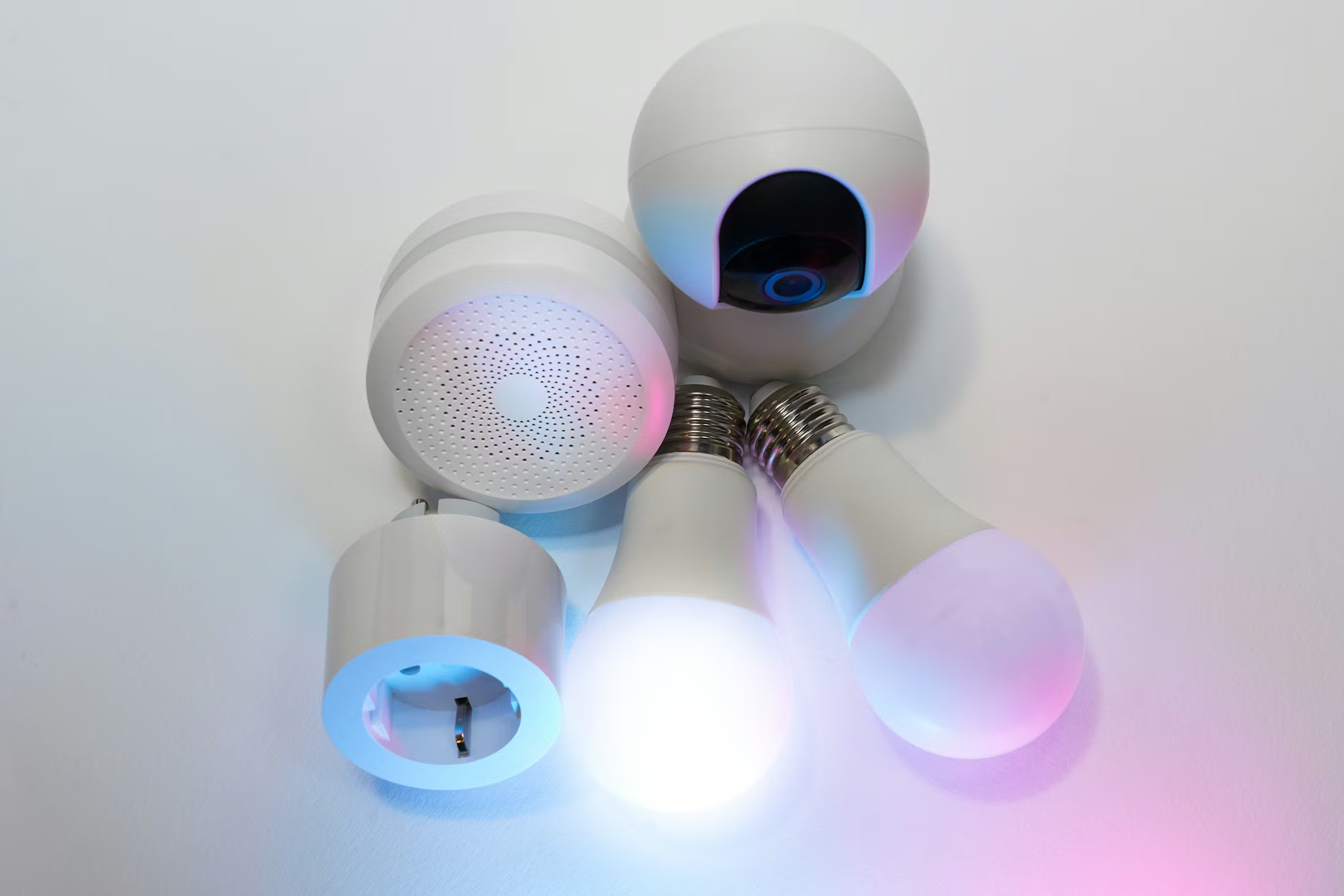
One of the most notable areas where smart technology has made significant strides is in the realm of smart homes. Devices such as smart thermostats, lighting systems, and security cameras are revolutionizing home management. Smart thermostats, for instance, can learn a homeowner’s schedule and adjust the temperature accordingly, optimizing energy use and providing cost savings. Similarly, smart lighting systems allow users to control the brightness and color of their home’s lights remotely or set schedules to enhance security and convenience.
In addition to improving energy efficiency, smart home technology enhances security. Smart security cameras and doorbell cameras provide real-time monitoring and alerts, allowing homeowners to keep an eye on their property from anywhere. These devices often come equipped with features like motion detection and night vision, providing peace of mind and enhancing safety.
The impact of smart technology extends beyond the home environment; it is also making waves in the health and fitness sector. Wearable devices, such as smartwatches and fitness trackers, have gained immense popularity, empowering individuals to take charge of their health. These devices monitor vital signs, track physical activity, and even provide reminders for medication. By collecting and analyzing data, wearables can offer personalized insights, helping users make informed decisions about their health and wellness.
Moreover, smart technology is reshaping industries by enhancing efficiency and productivity. In the agricultural sector, for example, farmers are leveraging IoT devices to monitor soil conditions, manage irrigation systems, and track crop health. This data-driven approach allows for better resource management, ultimately leading to increased yields and sustainable farming practices. Similarly, in manufacturing, smart sensors and automation are streamlining production processes, reducing waste, and improving quality control.
Despite the numerous benefits that smart technology offers, there are also challenges that need to be addressed. Privacy and security concerns are at the forefront, as the connectivity that enables these devices also makes them vulnerable to cyberattacks. The potential for unauthorized access to personal data raises important questions about user privacy and data protection. Manufacturers must prioritize robust security measures to protect user information and build consumer trust.
Additionally, the rapid pace of technological advancement can lead to obsolescence, with devices becoming outdated in a short period. This can create frustration for consumers who may feel compelled to continually upgrade their devices to keep up with new features and capabilities. Addressing issues of compatibility and interoperability among different devices is crucial to ensure a seamless user experience.
The environmental impact of smart technology is another area that warrants consideration. While many smart devices promote energy efficiency, the production and disposal of electronic devices contribute to electronic waste. Manufacturers are increasingly recognizing the importance of sustainability and are working towards creating eco-friendly products and implementing recycling programs.
Looking ahead, the future of smart technology holds immense potential. As artificial intelligence (AI) continues to advance, smart devices will become even more intuitive, capable of anticipating user needs and preferences. Voice-activated assistants, for instance, are already becoming a central feature in many smart homes, providing hands-free control and enhancing user interaction.
The integration of 5G technology will further propel the growth of smart technology. With faster internet speeds and reduced latency, 5G will enable more devices to connect seamlessly and facilitate real-time data processing. This advancement will unlock new possibilities in various sectors, from smart cities with interconnected infrastructure to enhanced telemedicine solutions.
Moreover, as consumers become more aware of sustainability issues, there is a growing demand for smart technology that prioritizes environmental responsibility. Innovations in energy storage, such as advanced batteries for solar power systems, and smart grids that optimize energy consumption are set to gain traction in the coming years.
In conclusion, smart technology is revolutionizing the way we live, work, and interact with our environment. From enhancing home automation and personal health management to transforming industries, the benefits are vast. However, it is essential to address the accompanying challenges, particularly in terms of privacy, security, and environmental impact. As we move forward, the continued evolution of smart technology promises to create a more efficient, connected, and sustainable future. Embracing these innovations while prioritizing ethical considerations will ensure that the benefits of smart technology are realized by all.
By understanding the intricacies of this rapidly evolving field, individuals and organizations can better navigate the challenges and opportunities that lie ahead.